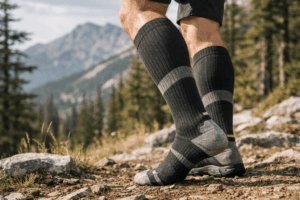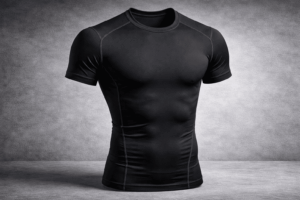
Short answer: compression clothing can temporarily improve how loose skin looks, but it does not tighten skin permanently or restore skin elasticity.
Loose skin often appears after significant weight loss, pregnancy, or rapid body recomposition. When the skin has been stretched for a long time, it may not fully retract once fat volume decreases. Compression clothing is frequently suggested as a solution, but its role is often misunderstood.
Key takeaways:
- Compression clothing smooths loose skin only while worn.
- It does not rebuild collagen or tighten skin long term.
- Best used for comfort, not correction.
Loose skin is mainly caused by loss of skin elasticity, which depends on factors such as age, genetics, and the speed and amount of weight loss. Compression garments apply external pressure that helps hold the skin closer to underlying tissues, reducing visible sagging during movement.
However, this effect is purely mechanical. Once the garment is removed, the skin returns to its natural state. Understanding this limitation helps set realistic expectations and avoid disappointment.
How compression clothing works on loose skin
Compression clothing works through external mechanical support, not by altering skin structure. To understand its real impact, it’s important to distinguish how skin tightens naturally from what compression garments actually do.
The role of pressure and tissue support
Compression garments apply graduated pressure to the surface of the body. This pressure creates several immediate effects:
- The skin is held closer to the underlying muscle and connective tissue
- Skin movement is reduced, limiting visible sagging
- Body contours appear smoother while the garment is worn
This explains why compression clothing can change how loose skin looks, even though it does not change the skin itself.
From a physiological perspective, the pressure does not stimulate collagen or elastin production. Skin tightening depends on internal biological processes that compression alone cannot activate.
Circulation and lymphatic effects
Another commonly cited benefit is improved circulation. Compression garments may:
- Support venous blood flow
- Reduce fluid pooling in certain areas
- Help manage mild swelling after weight loss or surgery
This can create a temporary firming sensation, which many people interpret as skin tightening. However, once swelling or fluid shifts normalize, the underlying loose skin remains unchanged.
Key data : Compression garments affect appearance and comfort, but they do not repair stretched skin fibers or reverse loss of elasticity.
Why compression feels supportive but isn’t corrective
Compression clothing can feel reassuring because it provides constant tactile feedback and structural containment. This can improve posture, reduce skin friction, and increase confidence during movement or exercise.
However, from a skin-health standpoint, it’s important to understand that compression clothing does not prevent loose skin, nor does it repair existing laxity. Any visual improvement disappears when the garment is removed.
This makes compression clothing a supportive tool, not a corrective solution.
Does compression clothing help prevent loose skin?
The idea that compression clothing could prevent loose skin is widespread, but it needs to be clarified carefully. Compression garments can support the body during change, yet they do not stop the biological processes that lead to skin laxity.
What actually causes loose skin during weight loss
Loose skin develops when the skin’s elastic fibers cannot retract fast enough to match changes in body volume. The main influencing factors include:
- Speed of weight loss
- Total amount of weight lost
- Age and baseline collagen levels
- Genetic elasticity potential
- Duration of skin stretching prior to weight loss
If weight loss occurs rapidly especially over a short timeframe the skin has less opportunity to adapt. Compression clothing does not slow fat loss, nor does it increase collagen synthesis, which is why it cannot prevent loose skin at a structural level.
Where compression clothing can help indirectly
While compression garments do not prevent loose skin, they can play a supportive indirect role:
- Reducing excessive skin movement during exercise
- Limiting mechanical stress on already stretched skin
- Improving comfort during physical activity
- Supporting posture and muscle engagement
These benefits may help avoid additional stress on vulnerable skin areas, but they do not change the final outcome of skin elasticity.
Practical checklist :
- Choose compression garments that fit without restricting breathing
- Use compression during movement, not as a 24/7 solution
- Combine compression with strength training and gradual weight loss
A realistic prevention perspective
From a clinical perspective, gradual weight loss remains the most effective way to reduce loose skin risk. Compression clothing can support comfort and mobility during that process, but it does not replace time, nutrition, or muscle development.
Understanding this distinction helps avoid frustration and sets realistic expectations.
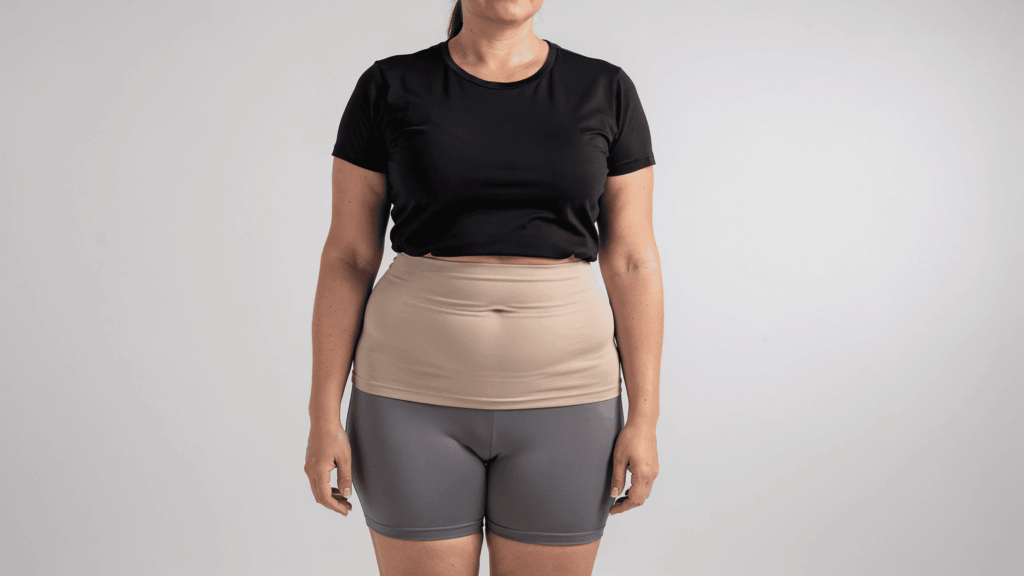
When compression clothing makes sense and when it doesn’t
Compression clothing can be useful, but only in specific contexts. Understanding its limits is essential to avoid misplaced expectations.
Situations where compression clothing is helpful
Compression garments are most beneficial when the goal is support and comfort, not skin correction. They can be useful for:
- Improving confidence during movement
- Reducing friction and skin pulling during workouts
- Supporting posture after significant weight loss
- Providing short-term contour smoothing under clothing
In these cases, compression clothing works as a functional aid, not a corrective treatment.
Situations where compression clothing falls short
Compression clothing does not replace biological skin recovery. It does not:
- Tighten skin permanently
- Stimulate collagen or elastin production
- Reverse long-term skin stretching
- Replace muscle hypertrophy or surgical intervention
This distinction is important, especially for individuals who have lost a large percentage of body weight or experienced long-term skin stretching.
Key data: Skin elasticity recovery depends primarily on time, nutrition, age, and muscle development not external compression.
Compression clothing vs real skin-tightening factors
| Approach | Temporary effect | Structural improvement |
| Compression clothing | Yes | No |
| Strength training | Moderate | Yes |
| Gradual weight loss | Indirect | Yes |
| Adequate protein intake | No | Yes |
| Surgical intervention | No | Yes |
The bottom line
Compression clothing can temporarily improve the appearance of loose skin by providing external support and smoothing. However, it does not tighten skin permanently and does not prevent loose skin from developing.
Its value lies in comfort, support, and confidence during movement, especially during weight loss or exercise. For long-term skin firmness, factors like gradual weight loss, muscle development, nutrition, and time remain far more impactful than compression alone.