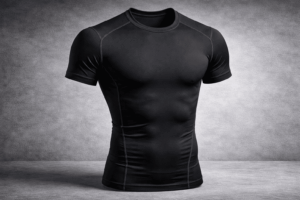
Short answer: compression clothing can support blood circulation, reduce muscle vibration, and improve post-run recovery, especially during long or intense runs. It is not a magic performance booster, but when used correctly, it can make running feel more efficient and more comfortable.
Runners have been wearing compression socks, tights, and sleeves for years, from recreational joggers to elite athletes. But why does compression matter, and who actually benefits from it? To answer this properly, we need to look at physiology, not marketing claims.
Key takeaways:
- Compression clothing applies graduated pressure to muscles and veins.
- It may improve circulation and reduce muscle fatigue during running.
- Benefits are most noticeable during long runs and recovery phases.
How compression clothing works during running
Compression garments are designed to apply graduated pressure, meaning tighter at the extremities and looser as it moves upward. This pressure helps venous blood return toward the heart, limiting blood pooling in the lower limbs.
From a running perspective, this can result in:
- Better oxygen delivery to working muscles
- Reduced muscle oscillation caused by repetitive impact
- Less perceived leg heaviness during prolonged efforts
Another key mechanism is muscle stabilization. Each foot strike creates micro-vibrations in muscle fibers. Over time, these vibrations contribute to muscle fatigue. Compression fabric limits this movement, allowing muscles to contract more efficiently.
Are compression socks good for running?
This is one of the most searched questions among runners, and the answer depends on context and expectations.
Compression socks are particularly interesting because they target the calf muscles, which play a major role in propulsion and shock absorption. By supporting this area, compression socks may:
- Reduce calf tightness during long-distance runs
- Lower the risk of cramps in susceptible runners
- Improve post-run recovery by limiting swelling
However, compression socks are not a shortcut to speed. Research shows that direct improvements in running performance (such as faster race times) are modest. The real advantage lies in endurance comfort and recovery, not raw speed.
When compression clothing makes the biggest difference
Compression gear tends to be most effective in specific scenarios:
- Long-distance running (half-marathon, marathon, trail)
- High weekly mileage with limited recovery time
- Runners prone to calf fatigue or lower-leg swelling
- Recovery sessions and post-race periods
A key physiological insight: muscle damage markers can be lower when compression is used during or after intense exercise. This suggests faster tissue recovery, which can indirectly support training consistency over time.
What does science really say about compression for runners?
Scientific research shows that compression clothing does not consistently improve running speed or VO₂ max. In other words, wearing compression gear will not suddenly make you faster. However, this is not where its real interest lies.
The most consistent findings relate to muscle comfort, fatigue perception, and recovery. Studies indicate that runners wearing compression garments often report less muscle soreness and reduced leg swelling after long or intense sessions.
One key physiological point is blood flow. Compression can slightly enhance venous return, which helps limit fluid accumulation in the lower legs during prolonged runs. This matters most when fatigue builds up, not during short, easy runs.
Key data : Compression garments show stronger benefits for recovery and perceived muscle fatigue than for direct performance gains.
Compression during the run vs after the run
Compression clothing can be used in two distinct phases, with different goals.
During the run
- Improves muscle support and limits vibration
- Can delay the feeling of heavy legs
- Most useful for long runs or races
After the run
- Helps reduce muscle soreness
- Limits post-exercise swelling
- Supports faster return to training
Many runners who ask are compression socks good for running actually benefit more from wearing them after the session rather than during it.
Who benefits the most from compression gear?
Compression is not equally useful for everyone. It tends to be more relevant if you:
- Run long distances or high weekly mileage
- Experience calf tightness or shin discomfort
- Struggle with recovery between sessions
For beginners or short-distance runners, the effect is often minimal.

How to choose the right compression clothing for running
Compression gear is only effective if it fits properly. Too loose, and it does nothing. Too tight, and it becomes uncomfortable or even counterproductive.
What really matters
- Graduated compression (tighter at the ankle, looser upward)
- Breathable fabric to manage heat and sweat
- Precise sizing, based on calf or leg measurements, not guesswork
This is especially important for runners wondering are compression socks good for running, because socks that are poorly sized often lead to disappointing results.
Practical checklist :
- Measure your calf circumference before buying
- Choose sport-specific compression (not medical-grade)
- Test compression during training, never on race day
Common mistakes runners make
- Expecting instant performance gains
- Wearing compression on short, easy runs where it adds little value
- Using medical compression instead of sports-designed garments
Compression clothing is a support tool, not a replacement for training, recovery, or proper footwear.
Final verdict: should runners wear compression clothing?
Compression clothing can be useful for running, but only in the right context. It works best for long distances, high training volume, and recovery support. For short, easy runs, the benefit is usually minimal.
The key advantage is not speed, but comfort and consistency. By reducing muscle vibration and post-run soreness, compression gear can help some runners train more regularly and recover more efficiently over time.
So, are compression socks good for running?
Yes especially for runners who:
- Experience calf fatigue or leg heaviness
- Run long distances or multiple sessions per week
- Prioritize recovery and muscle comfort
For others, compression remains optional rather than essential. Like most running tools, its value depends on how, when, and why you use it.