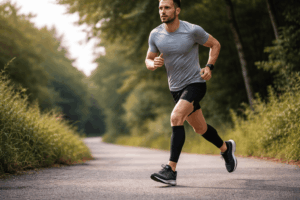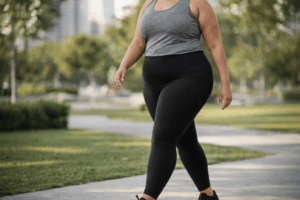
Short answer: compression clothes do not directly cause fat loss, but they can support weight-loss efforts indirectly by improving comfort, movement efficiency, and workout consistency. Their impact depends on how and why they are used.
To understand whether compression garments genuinely help with slimming goals, it’s important to separate physiological reality from marketing claims—and to look at what they actually influence in the body.
Key takeaways:
- Compression clothing does not burn fat on its own.
- It may improve workout quality, posture, and recovery.
- Any weight-loss benefit is indirect and behavior-dependent.
What compression clothing actually does
Compression clothes help stabilize muscles and may improve blood circulation during movement. This can reduce muscle vibration and perceived fatigue, allowing some people to train longer or more often.
Over time, better workout consistency can support calorie expenditure—but the garment itself is not responsible for fat loss.
Does sweating mean weight loss?
Many people believe compression clothes help you lose weight because they increase sweating. This is misleading.
Sweating causes temporary water loss, not fat loss. Once fluids are replaced, body weight returns to normal.
Key data : Weight lost through sweat is water weight, not body fat.
Compression clothing may feel slimming, but its real value lies in supporting movement, not changing metabolism.
How compression clothing can support workouts
Compression garments don’t burn calories, but they can improve how you train. This is where their indirect role in weight loss becomes relevant.
Better movement and body awareness
Compression clothing provides constant tactile feedback. This can help some people:
- Maintain better posture
- Feel muscles engage more clearly
- Move with more control during strength or cardio sessions
Improved movement quality doesn’t equal instant fat loss, but it can reduce discomfort and make workouts easier to sustain over time.
Reduced muscle fatigue and discomfort
By limiting muscle vibration, compression garments may reduce perceived fatigue, especially during longer sessions or repeated workouts.
This matters because fatigue is a major reason people:
- Shorten workouts
- Skip training days
- Lose consistency
Anything that supports training regularity can indirectly contribute to weight loss.
Do compression clothes increase calorie burn?
This is an important clarification.
Compression clothing does not increase metabolic rate or significantly raise calorie expenditure on its own. Any extra calories burned come from:
- Training longer
- Training more often
- Recovering faster between sessions
Key data: Compression garments support performance, not fat metabolism.
In short, compression clothes don’t make workouts harder they can make them more sustainable.
Who benefits most from compression clothing?
Compression clothes can be useful for specific profiles, but they are not essential for everyone trying to lose weight.
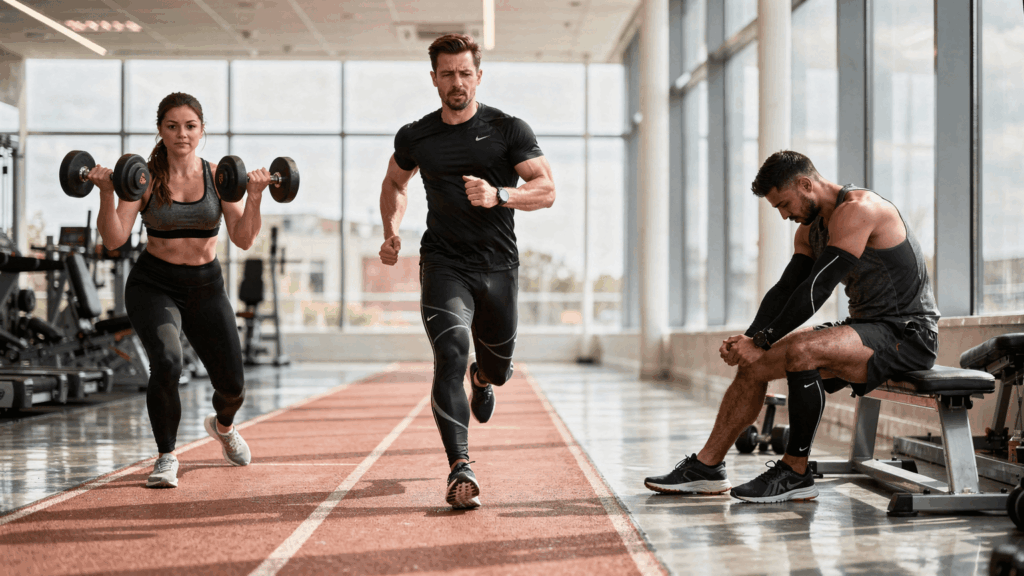
They tend to help most people who:
- Experience muscle discomfort during workouts
- Train frequently (running, cycling, strength training)
- Struggle with post-workout soreness that affects consistency
For these profiles, compression clothing may support regular training, which is a key factor in long-term weight loss.
Who should not rely on compression clothes for weight loss?
Compression garments are not effective if they are used as a substitute for:
- A calorie-controlled diet
- Regular physical activity
- Progressive training intensity
They do not target fat tissue and cannot replace lifestyle changes.
In summary
Compression clothing does not directly lead to weight loss and should not be viewed as a fat-burning solution. It does not increase metabolism, target fat tissue, or replace proper nutrition and physical activity.
However, compression garments can play an indirect supportive role in a weight-loss journey. By improving comfort during workouts, reducing perceived muscle fatigue, and helping some people maintain better posture and movement control, they may encourage more consistent and sustainable training. Over time, this consistency can contribute to a calorie deficit, which is essential for weight loss.
In short, compression clothes are best used as a performance and comfort aid, not a shortcut. When combined with regular exercise and a balanced diet, they can support the habits that actually lead to long-term results.