Yes compression can help with knee pain for many people by improving joint stability, reducing swelling, and enhancing proprioception. However, its effectiveness depends on the cause of the pain, how compression is used, and individual biomechanics.
Knee pain is one of the most common musculoskeletal complaints, affecting athletes, people with sedentary lifestyles, and those with chronic conditions alike. From mild discomfort during daily activities to persistent pain during movement, the knee is particularly vulnerable because it bears significant load and relies on complex coordination between muscles, ligaments, and cartilage.
Compression sleeves are often presented as a simple, non-invasive solution. But do they actually work and for whom?
Key takeaways:
- Compression can reduce swelling and improve knee stability.
- Results vary depending on the type and origin of knee pain.
- Compression sleeves work best as support, not as a cure.
Before exploring specific use cases, it’s important to understand how compression works on a physiological level and why it can influence pain perception.
How compression works on the knee
Compression applies gentle, consistent pressure around the knee joint. This pressure influences both circulation and sensory feedback, which can directly affect pain and movement quality.
Improved circulation and swelling control
One of the primary benefits of compression is its ability to limit excess fluid buildup around the joint. Mild compression can support venous return and lymphatic drainage, which may help reduce swelling after activity or prolonged standing.
Less swelling often means:
- Reduced joint stiffness
- Less pressure on surrounding tissues
- Improved comfort during movement
This effect is particularly relevant for people experiencing knee pain associated with inflammation or overuse.
Enhanced proprioception and joint awareness
Compression sleeves also stimulate cutaneous mechanoreceptors, which improve proprioception the body’s awareness of joint position and movement.
In practical terms, better proprioception can:
- Improve movement control
- Reduce awkward or unstable knee positioning
- Increase confidence during walking, squatting, or exercising
This neurological feedback partly explains why many users report immediate subjective relief, even when structural changes are minimal.
Mild joint stabilization without immobilization
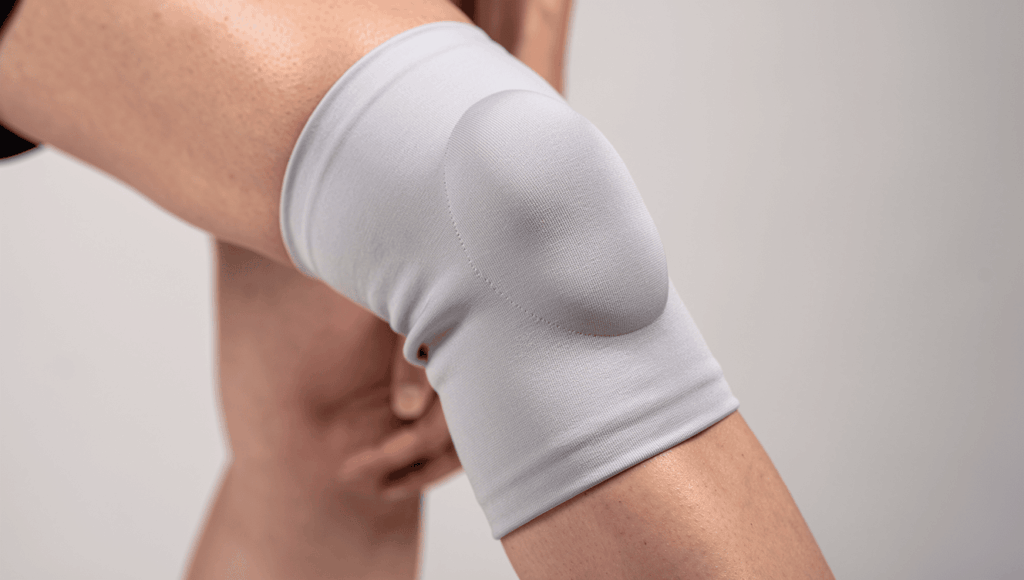
Unlike rigid braces, compression sleeves provide light support without restricting range of motion. This balance is important: excessive immobilization can weaken muscles, while mild support may encourage safer movement patterns.
Compression does not realign the knee or repair damaged tissue, but it can create a sense of stability that reduces compensatory movements — a subtle but meaningful factor in pain management.
Key data : Compression may reduce perceived knee pain by improving proprioception even when structural changes are minimal.
At this stage, compression clearly offers mechanical and neurological benefits, but the real question remains: can compression sleeves help with knee pain in real-world conditions?
Can compression sleeves help with knee pain in real life?
In many everyday situations, compression sleeves can help with knee pain, but their effectiveness depends on why the knee hurts in the first place. Compression is not a universal fix it works best for specific pain profiles.
Knee pain that often responds well to compression
Compression sleeves tend to be helpful when knee pain is linked to:
- Mild swelling after physical activity
- Overuse (running, hiking, long workdays on your feet)
- Joint instability or weakness, especially during movement
- Hypermobility, where extra sensory feedback improves control
In these cases, compression can reduce discomfort by limiting fluid buildup and improving joint awareness, which may lead to smoother, more confident movement.
Situations where compression may be limited
Compression sleeves are less effective when knee pain is caused by:
- Structural damage (meniscus tears, ligament ruptures)
- Advanced osteoarthritis with significant cartilage loss
- Nerve-related pain or referred pain from the hip or lower back
In these cases, compression may provide temporary comfort, but it won’t address the underlying issue.
Practical checklist :
- Use compression for activity-related or mild inflammatory pain
- Avoid relying on compression for acute injuries
- Pair compression with movement, not rest only
Compression works best as a support tool, not a standalone solution.
How much compression is actually helpful?
More compression is not always better. For knee pain, moderate compression is usually the most effective because it supports the joint without restricting circulation or movement.
Choosing the right compression level
A knee sleeve should feel snug but comfortable. If it causes numbness, tingling, or skin discoloration, it’s too tight. The goal is support, not immobilization.
Moderate compression helps by:
- Limiting minor swelling
- Improving joint awareness
- Encouraging controlled movement
Very tight compression may reduce blood flow and increase discomfort over time, especially if worn for long periods.
How long should you wear a compression sleeve?
For most people, compression works best when worn:
- During physical activity
- For a few hours after exercise
- During tasks that trigger knee pain
Wearing a sleeve all day, every day, may reduce its benefit and create dependence rather than resilience.
A quiet risk worth knowing
Wearing compression continuously can mask pain signals, which may lead some people to overload the joint without realizing it. Pain reduction does not always mean tissue recovery.
Should you use compression for knee pain?
Compression can help with knee pain, but only when used appropriately and selectively. It works best as a support tool, not a long-term solution.
When compression makes sense
- Activity-related knee discomfort
- Mild swelling or stiffness
- Instability or lack of joint confidence
- Hypermobility or fatigue-related pain
In these situations, compression can improve comfort and movement quality, making daily activities or exercise more manageable.
When to be cautious
- Sharp or worsening pain
- Pain following a traumatic injury
- Pain that persists despite rest and support
Compression should never replace proper diagnosis or progressive strengthening.
Bottom line
If used correctly, compression sleeves can help knee pain by reducing swelling and improving joint awareness. The key is moderation, correct fit, and pairing compression with movement and strength, not avoidance.