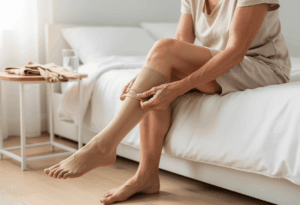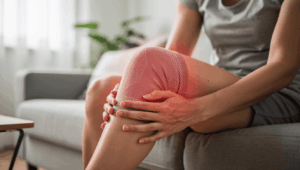
Yes compression pants can help with shin splints, but they are not a standalone cure. They mainly work by reducing muscle vibration, improving local blood flow, and offering light support to the lower leg muscles. For many runners and active individuals, this can translate into less pain during activity and faster recovery afterward. That said, results depend heavily on why the shin splints appeared in the first place.
Shin splints, medically known as medial tibial stress syndrome, are a common overuse injury. They usually develop when repetitive impact stresses the muscles, tendons, and bone tissue around the shin. Runners, jump-sport athletes, and people increasing training volume too quickly are especially at risk.
Compression pants and sleeves have gained popularity because they are easy to use, non-invasive, and often provide immediate symptom relief. But understanding how they work and their limits is essential before relying on them.
Key takeaways:
- Compression pants can reduce discomfort linked to shin splints
- They support muscles but do not fix the root cause
- Best results come when combined with training adjustments
What actually causes shin splints?
Shin splints rarely appear without warning. They are usually the result of cumulative stress rather than a single event.
Common contributing factors include:
- Sudden increases in training intensity or mileage
- Running on hard or uneven surfaces
- Poor footwear support
- Limited ankle mobility or calf tightness
- Muscle fatigue leading to excessive tibial loading
Over time, this stress irritates the tissues attaching muscles to the shin bone, leading to pain along the inner edge of the tibia.
A key point many people overlook: pain does not always mean damage, but ignoring early symptoms increases the risk of progression toward stress reactions or fractures.
How compression pants interact with the lower leg
Compression pants apply graduated pressure around the muscles of the calves and shins. This pressure slightly limits muscle oscillation during impact a factor believed to contribute to micro-trauma.
Physiologically, compression may:
- Improve venous return, aiding circulation
- Reduce muscle swelling after exercise
- Enhance proprioception, making movement more controlled
- Limit excessive muscle vibration during foot strike
This is why many athletes report that shin pain feels less sharp or less persistent when wearing compression gear, especially during longer runs or high-impact sessions.
However, compression does not realign bones, correct biomechanics, or replace rest when tissues are overloaded.
How compression pants may reduce shin splint symptoms
Compression pants do not heal shin splints, but they can reduce the intensity of symptoms, especially during activity. Their main benefit comes from mechanical support rather than structural correction.
By applying steady pressure around the lower leg, compression helps limit excessive muscle movement at impact. Less vibration means less traction on the tissues attached to the shin bone, which can lower irritation during running or jumping.
Another advantage is improved circulation. Better blood flow supports oxygen delivery and waste removal, which may help muscles feel less heavy or inflamed after exercise. Many athletes notice that soreness fades faster when compression is worn post-workout.
When compression is most useful
Compression pants tend to be helpful when shin splints are:
- Mild to moderate
- Triggered mainly by muscle fatigue
- Felt during longer or repeated sessions
- Worse at the end of workouts rather than at rest
In these cases, compression acts as a supportive aid, making training more tolerable while recovery strategies are applied.
What compression cannot fix
Compression does not correct poor running form, unsuitable shoes, or excessive training load. Relying on it alone while continuing the same stress pattern can delay healing.
Used properly, compression is best seen as a comfort and recovery tool, not a cure.
Should you wear compression pants during or after exercise?
Compression pants can be worn during exercise, after, or both but the goal is different in each case.
During exercise
Wearing compression while running or training may help reduce pain perception and muscle fatigue. The light pressure improves muscle awareness, which can subtly improve control and limit unnecessary movement in the lower leg.
This can be useful if:
- Pain appears mid-run
- You are returning gradually after a break
- You want extra support on longer sessions
However, if pain worsens despite compression, continuing the session is not recommended.

After exercise
Post-workout use is often where compression shines most. It can:
- Limit swelling
- Reduce muscle stiffness
- Support faster recovery
Many people find that wearing compression pants for 1–2 hours after training helps legs feel lighter the next day.
Key data : Compression is most effective for shin splints when pain is muscular rather than bone-related.
Are compression pants enough to treat shin splints?
Compression pants can help manage shin splints, but they should never be the only strategy. They are most effective when used as part of a broader approach focused on load management and recovery.
When compression makes sense
Compression pants are a good option if:
- Pain is mild to moderate
- Symptoms improve with warm-up
- Discomfort is mainly muscle-related
- You are already adjusting training volume
In these cases, compression can improve comfort, confidence, and short-term recovery.
When to be cautious
If shin pain:
- Persists at rest
- Becomes sharp or localized
- Worsens week after week
Compression alone is not appropriate. Continuing to train through pain increases the risk of more serious stress injuries.
Bottom line
Do compression pants help with shin splints?
Yes they can reduce discomfort and support recovery, but they do not address the underlying cause. For lasting relief, compression should be combined with:
- Gradual training progression
- Adequate rest
- Proper footwear
- Mobility and strengthening work
Used wisely, compression pants are a supportive tool, not a solution on their own.