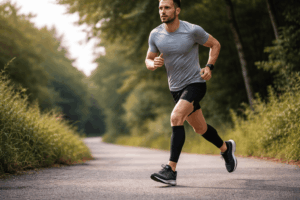
Compression shorts are designed to provide targeted support and gentle pressure to the muscles of the hips, thighs, and glutes. In short, they help improve comfort, performance, and recovery, especially during physical activity but their benefits extend beyond workouts.
For most people, compression shorts are beneficial when worn during training, competition, or long periods of movement, as long as the fit is correct and the compression level is appropriate.
Key takeaways:
- Compression shorts support muscles and reduce unnecessary movement.
- They can improve comfort, stability, and body awareness during exercise.
- Benefits depend on proper fit, fabric quality, and usage context.
How Compression Shorts Work on the Body
Compression shorts apply graduated pressure to the lower body. This pressure slightly compresses soft tissues, which can help stabilize muscles during movement. Unlike standard athletic shorts, they sit close to the skin and move with the body, limiting friction and excess vibration.
This external support does not replace muscle strength, but it can enhance efficiency by reducing unwanted muscle oscillation during dynamic movements such as sprinting, jumping, or sudden direction changes.
When muscles vibrate excessively, they may fatigue faster. Compression shorts aim to limit this micro-movement, helping the body maintain better control throughout physical activity.
Muscle Support and Stability
One of the primary benefits of compression shorts is muscle support. By holding muscle groups firmly in place, they can contribute to a feeling of stability, particularly in the hips and thighs.
This support can be helpful for:
- High-impact sports (running, cross-training)
- Contact sports where lower-body control is essential
- Strength training involving compound movements
While compression shorts do not prevent injuries on their own, they may help reduce the sensation of muscle strain by improving proprioception, meaning the body’s awareness of position and movement.
Reduced Muscle Fatigue During Exercise
Another commonly reported benefit is reduced perceived muscle fatigue. By stabilizing muscles and minimizing friction between skin and fabric, compression shorts can make prolonged activity feel more comfortable.
This does not mean muscles work less but they may work more efficiently, especially during repetitive movements. Over long sessions, this can contribute to better endurance and more consistent performance.
Key data : Muscle vibration during impact can increase energy expenditure; limiting it may help preserve effort over time.
Comfort and Skin Protection
Compression shorts also provide practical comfort benefits. Their close fit helps reduce:
- Chafing caused by skin-to-skin contact
- Irritation from loose fabric during movement
- Discomfort during long training sessions
Many athletes wear compression shorts under regular shorts or uniforms for added comfort, especially in warm or humid conditions.
Who Can Benefit from Compression Shorts?
Compression shorts are not limited to elite athletes. They can be useful for:
- Recreational exercisers
- Combat sports practitioners
- Runners and cyclists
- Individuals with physically demanding jobs
However, they should not feel restrictive or painful. Excessive tightness can reduce comfort and may counteract potential benefits.
Improved Circulation and Faster Recovery
One of the most discussed benefits of compression shorts is their potential effect on blood circulation. The gentle, consistent pressure applied to the thighs and hips can help support venous return, meaning blood flows back toward the heart more efficiently during and after activity.
Better circulation may help:
- Reduce the feeling of heavy legs after training
- Support oxygen delivery to working muscles
- Limit post-exercise discomfort
This is especially relevant after intense or repeated efforts, when muscles remain under tension for extended periods.
Post-Workout Recovery Support
Many athletes wear compression shorts after training, not just during exercise. The goal is to keep muscles warm and supported while the body transitions into recovery mode.
By limiting excessive muscle movement after effort, compression shorts can help maintain a feeling of stability, which some users associate with less stiffness the following day. While recovery still depends on sleep, hydration, and nutrition, compression garments may provide an additional comfort advantage.
Everyday and Lifestyle Use
Compression shorts are not reserved for sports only. Some people wear them:
- Under jeans or work trousers
- During long periods of sitting or standing
- While traveling
In these situations, they may help reduce discomfort related to prolonged immobility, especially in the upper legs. The key is choosing a moderate compression level, suitable for extended wear.

Performance Impact and Practical Limits
Compression shorts are often associated with performance enhancement, but their effect should be viewed as supportive rather than transformative. They do not make muscles stronger or faster on their own. Instead, they help create a more controlled and comfortable movement environment.
For some athletes, this can translate into:
- Better movement awareness
- Increased confidence during explosive actions
- More consistent form over long sessions
However, the benefits remain individual. Some users notice clear comfort improvements, while others experience only minimal changes.
When Compression Shorts May Not Be Ideal
Compression shorts are not suitable for every situation. They may be less helpful when:
- The compression level is too high, causing discomfort
- Worn for excessive durations without breaks
- Used as a substitute for proper training or recovery habits
In rare cases, poor fit or low-quality materials can lead to overheating or skin irritation. Proper sizing and breathable fabrics are essential.
Summary : Are Compression Shorts Worth It?
Compression shorts offer practical, comfort-driven benefits rather than dramatic performance gains. When properly fitted, they can support muscles, reduce friction, and improve overall training comfort.
They are most useful for:
- High-impact or repetitive sports
- Long training sessions
- Recovery periods or extended daily wear
They are not essential, but they can be a valuable addition for people seeking better lower-body support.
Quick Comparison Table
| Benefit | During Exercise | After Exercise |
| Muscle support | Yes | Yes |
| Reduced friction | Yes | Yes |
| Circulation support | Moderate | Moderate |
| Recovery comfort | Limited | Better |
Final Practical Advice
- Choose moderate compression, not restrictive
- Focus on breathable, stretch fabrics
- Use them as a support tool, not a solution
When used correctly, compression shorts can enhance comfort, movement quality, and recovery without changing how your body naturally works.