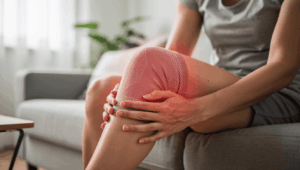
Short answer: compression sleeves apply graduated pressure to a limb to support circulation, reduce swelling, and improve comfort and stability during activity or recovery. They don’t replace medical treatment, but when used correctly they can make movement feel smoother and less fatiguing.
Compression sleeves are worn on the arms, knees, or legs and are popular with athletes, workers who stand for long hours, and people managing mild joint discomfort. The pressure is firm yet flexible, designed to hug the tissue without restricting motion. This combination is why many users report feeling more “supported” and less sore after use.
Key takeaways:
- Compression sleeves provide external support through gentle, consistent pressure.
- They can help manage swelling, fatigue, and joint awareness during movement.
- Benefits depend on fit, placement, and use case (sport vs. daily comfort).
How compression sleeves work
Compression sleeves work by applying even pressure around muscles and joints. This pressure can help limit excessive tissue movement, which may reduce the micro-vibrations that contribute to fatigue during repetitive motion. At the same time, the snug fit can encourage venous return, meaning blood flows back toward the heart more efficiently, which may help with post-activity swelling.
Another effect is proprioceptive feedback—the body’s awareness of where a joint is in space. Many users feel more confident with a sleeve because the added feedback helps them sense alignment and movement patterns. This is one reason sleeves are common during training sessions or long work shifts.
What does a compression sleeve do for arms?
When worn on the arm, a compression sleeve is often used to support the forearm, elbow, and upper arm. People choose them for activities involving repetitive gripping or throwing, such as racket sports or manual tasks.
Key arm-specific effects
- Muscle warmth and comfort during prolonged use
- Reduced arm fatigue from repetitive motions
- Light elbow support without limiting range of motion
For the arms, the goal isn’t immobilization; it’s controlled support that still allows full movement.
What do knee compression sleeves do?
Knee compression sleeves are among the most popular because the knee bears significant load. A well-fitted sleeve can provide a feeling of stability and alignment, especially during squatting, climbing stairs, or jogging.
Common reasons people wear knee sleeves
- To feel more secure during bending and extension
- To help manage mild swelling after activity
- To maintain joint warmth, which can improve comfort
It’s important to note that a sleeve is different from a rigid brace. Sleeves offer compression and awareness, not structural correction.
What do compression sleeves do for legs?
For the legs, compression sleeves are often worn on the calf or shin. Runners and people who stand all day use them to support circulation and manage lower-leg fatigue.
Typical benefits reported include less heaviness, reduced post-exercise tightness, and improved comfort during long periods of standing or walking. As with other sleeves, proper sizing is essential to avoid excessive tightness.
Who benefits most from compression sleeves?
Compression sleeves are useful for a wide range of people, not just athletes. Their main value lies in comfort, support, and fatigue management, especially during repeated or prolonged activity.
They are commonly used by:
- Athletes (running, basketball, weight training) to feel more supported during movement
- People with physically demanding jobs who stand or use their arms for long hours
- Active adults looking to reduce post-exercise soreness
- Individuals with mild joint discomfort, without needing a rigid brace
The key point is that compression sleeves are designed for functional support, not injury treatment.
How tight should a compression sleeve be?
A compression sleeve should feel snug but not restrictive. You should notice support without numbness, tingling, or color change in the skin.
A simple rule:
- Too loose → little to no benefit
- Too tight → reduced circulation and discomfort
Most sleeves use graduated compression, meaning pressure is slightly stronger at one end and lighter toward the other, helping fluid move efficiently.
Key data : A properly fitted compression sleeve should stay in place during movement without leaving deep marks on the skin.
When compression sleeves may not be ideal
Compression sleeves are generally safe, but they are not suitable for everyone. People with circulation disorders or significant swelling should seek professional advice before use.
They should also be avoided:
- During acute injury with severe pain
- If they cause persistent numbness or tingling
- As a replacement for medical treatment or rehabilitation
How to choose the right compression sleeve
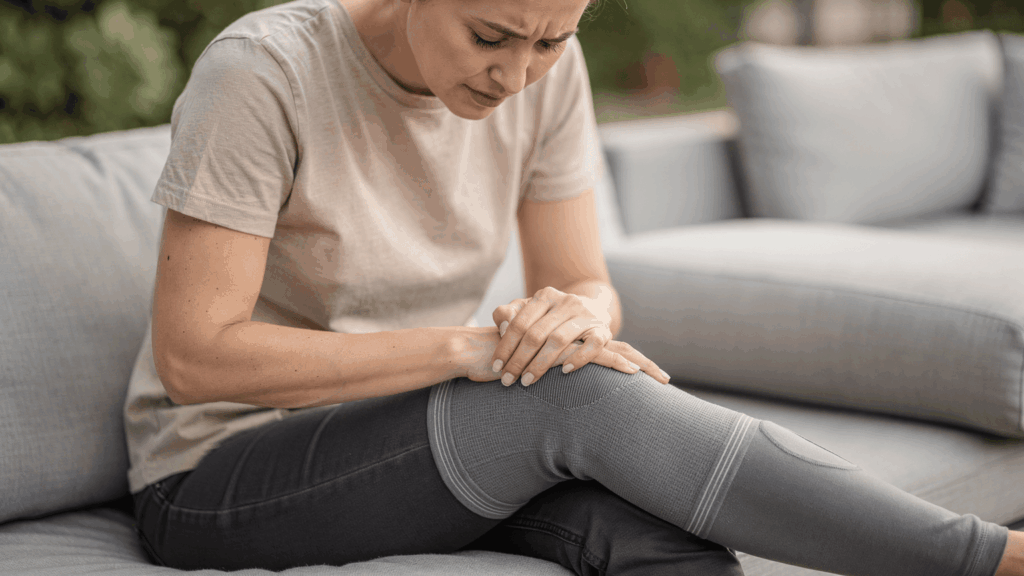
Choosing the right sleeve depends on where you wear it and what you expect from it. Compression sleeves are designed for targeted support, so fit and purpose matter more than brand or appearance.
Arms
Use an arm compression sleeve if you want muscle support during repetitive motions or long sessions. It should cover the forearm comfortably without restricting elbow movement.
Knees
Knee sleeves are best for joint awareness and stability during bending, lifting, or running. They should stay in place when you squat and feel supportive without stiffness.
Legs
Leg or calf sleeves are often used to manage lower-leg fatigue and post-activity tightness. A good fit improves comfort during long periods of standing or walking.
Practical checklist :
- Measure your limb and follow the size chart
- Choose moderate compression for daily or sport use
- Test comfort during movement, not just standing
Are compression sleeves worth it?
Compression sleeves are worth using if your goal is comfort, support, and reduced fatigue. They are simple, non-invasive, and easy to integrate into daily life or training.
They are not a cure, but when worn correctly, they can make movement feel more controlled and less tiring.
Final recap: what do compression sleeves do?
Compression sleeves provide targeted pressure to support muscles and joints during movement or recovery. Their main role is to improve comfort, stability, and fatigue management, not to treat injuries.
In practical terms, what does a compression sleeve do?
It helps you feel more supported, especially during repetitive or prolonged activity.
Quick summary
- Arms: reduce muscle fatigue and improve movement awareness
- Knees: enhance joint stability and confidence during bending
- Legs: support circulation and reduce heaviness after effort
Compression sleeves work best when they are well fitted, worn for the right purpose, and used as a supportive tool, not a medical solution.
If your goal is to move with more comfort and less fatigue, a compression sleeve can be a simple and effective option.