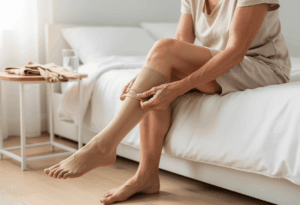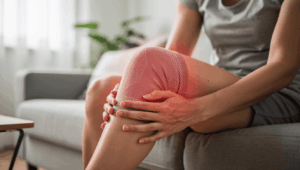
Working three 12s or four 10s on hard floors takes a toll. The right compression socks can curb swelling, ease soreness, and help you finish strong. Below: quick picks, then concise reviews with pros/cons, plus a simple buyer’s guide.
Top 10 Nurse Compression Socks (Quick Compare)
| Product | Compression | Notable features | Best for | Link |
|---|---|---|---|---|
| Fytto Women’s Compression Socks | Light (≈ 8–15 mmHg) | Latex-free, subtle styling, light padding | Dress-code friendly wards, travel to/from shifts | CHECK BEST DEAL → |
| VIM & VIGR Stylish Compression Socks | Moderate (15–20 mmHg) | Moisture-wicking, fashion patterns, latex-free | All-day wear with a style hit | CHECK BEST DEAL → |
| Nurse Mates 12–14 mmHg Socks | Light (12–14 mmHg) | Graduated compression, nurse-centric designs | Budget picks; first-time wearers | CHECK BEST DEAL → |
| Sockwell On the Spot Moderate | Moderate (15–20 mmHg) | Merino/bamboo blend, breathable, seamless toe | Sweaty shifts; odor control; comfort | CHECK BEST DEAL → |
| Jobst Moderate Compression Knee-High | Moderate (15–20 mmHg) | Clinically respected fit & contouring | Max support/fit priority over looks | CHECK BEST DEAL → |
| Go2 Compression Socks | Firm (20–30 mmHg) | Graduated fit, odor-resistant yarns | Heavy swelling days; long 12s on hard floors | CHECK BEST DEAL → |
| A Swift Compression Socks | Moderate (15–20 mmHg) | Thin athletic knit geared to recovery | Light shoes; hot units; post-shift recovery | CHECK BEST DEAL → |
| CompressionZ Casual/Running Socks | Firm (20–30 mmHg) | Odor-resistant, fun prints, durable | Maximum squeeze without medical Rx | CHECK BEST DEAL → |
| ABD Premium Compression Socks | Firm (20–25 mmHg) | Anatomical fit, seamless toe, 200-needle knit | Athletic feel; support with durability | CHECK BEST DEAL → |
| Dr. Scholl’s Compression Socks | Light (8–15 mmHg) | Value pick, easy on/off, nylon/spandex | Budget relief; minimal squeeze needs | CHECK BEST DEAL → |
Reviews (with Pros & Cons)
Fytto Women’s Compression Socks
Simple, professional knee-highs with gentle graduated pressure and a latex-free build; easy choice for strict uniforms and lighter compression needs.
Pros
- Subtle look fits tight dress codes
- Light padding adds comfort in clogs
- Latex-free
Cons
- Light compression may be too mild for swelling-prone shifts
- Looks are plain
VIM & VIGR Stylish Compression Socks
Pattern-forward designs with moisture-wicking yarns and latex-free construction; moderate squeeze for daily floor time with personality.
Pros
- Big style range without sacrificing function
- Keeps feet drier on hot units
Cons
- Pricier than basic options
Nurse Mates 12–14 mmHg Socks
Nurse-specific designs with gentle graduated compression and friendly pricing—great starter pair or for lighter swelling.
Pros
- Excellent value
- Fun clinical patterns (EKG, etc.)
Cons
- Too light for significant edema
Sockwell On the Spot Moderate
Merino + bamboo rayon blend keeps feet dry and comfortable while 15–20 mmHg graduated compression supports long stints.
Pros
- Breathable, soft, odor-resistant fibers
- Seamless toe reduces hot spots
Cons
- Costs a bit more than synthetics
Jobst Moderate Compression Knee-High
Clinically favored contouring and dependable 15–20 mmHg support for nurses prioritizing function over flair.
Pros
- Medical-grade shaping and consistency
- Reliable graduated compression
Cons
- Plain aesthetics
- Higher price than fashion options
Go2 Compression Socks
Firm 20–30 mmHg squeeze, odor-resistant fibers, and styles ranging from athletic to professional—built for the longest shifts.
Pros
- Strong graduated compression for swelling control
- Odor management for back-to-back shifts
Cons
- Firm class can feel tight to beginners
- Price varies by style/size
A Swift Compression Socks
Athletic-leaning, thinner knit with moderate 15–20 mmHg; geared toward quicker drying and recovery feel.
Pros
- Lightweight in hot environments
- Good day-to-day comfort
Cons
- Thin fabric offers less cushioning
CompressionZ Casual Running Socks
Durable 20–30 mmHg with fun patterns and odor-resistant construction—when you want max support without a prescription.
Pros
- Firm compression for demanding shifts
- Holds shape wash after wash
Cons
- Stiffer feel than moderate socks
ABD Premium Compression Socks
Athlete-grade build (20–25 mmHg) with anatomical fit, seamless toe, and dense 200-needle knit for longevity.
Pros
- Excellent durability under frequent wear
- Smooth toe box reduces friction
Cons
- Premium pricing
- Designs are basic
Dr. Scholl’s Compression Socks
Entry-level 8–15 mmHg for gentle support at a friendly price; easy to don/doff for first-time users.
Pros
- Affordable multi-pairs
- Low learning curve—comfortable from day one
Cons
- Lighter squeeze; less swelling control
- Elasticity softens sooner than premium pairs
Buying Guide: What Nurses Should Look For
Compression type
• Graduated compression (tighter at ankle, easing up the calf) suits active wear—supports circulation without restricting movement.
• Uniform compression is more therapy-oriented and can feel restrictive for walking all day.
Compression strength
• 8–15 mmHg: light, good for first-timers and minimal swelling.
• 15–20 mmHg: sweet spot for most nurses—noticeable support without “casts on calves” feeling.
• 20–30 mmHg: firm; best for significant swelling or long shifts on hard floors (avoid if uncomfortable; consult a clinician if you have vascular conditions).
Materials & comfort
• Merino blends (e.g., Sockwell) breathe and resist odor.
• Nylon/spandex blends dry fast and are durable.
• Seamless toes and defined heel cups prevent hot spots.
Fit & donning
• Measure calves/ankles in the morning; follow brand charts.
• If new to firm classes, start moderate and move up if needed.
Verdict
For firm, shift-proof support with style options, Go2 and CompressionZ (20–30 mmHg) are standouts. For breathable comfort with moderate squeeze, Sockwell’s merino blend is hard to beat. Nurse Mates and Dr. Scholl’s are solid value picks for light support. If fit precision and function trump looks, Jobst remains a reliable clinic-grade choice.