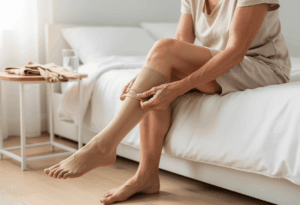
Yes, compression socks can help with plantar fasciitis, but they are not a standalone cure. They work by improving blood flow, reducing inflammation, and supporting the plantar fascia during daily activities or rest. For many people, they provide noticeable pain relief when used correctly and consistently.
Plantar fasciitis is one of the most common causes of heel pain, especially among people who stand for long hours, walk extensively, or engage in impact sports. The condition involves microtears and inflammation of the plantar fascia, a thick band of tissue that runs along the bottom of the foot. Compression socks are designed to apply graduated pressure, which can positively influence how this tissue recovers.
Key takeaways:
- Compression socks can reduce heel pain linked to plantar fasciitis.
- They support circulation and limit inflammation in the foot.
- Best results occur when combined with stretching and proper footwear.
Unlike rigid orthotics or night splints, compression socks are easy to wear, lightweight, and suitable for use during the day or while resting. However, their effectiveness depends on several factors, including compression level, fit, and timing of use.
How do compression socks help with plantar fasciitis?
Compression socks help plantar fasciitis mainly by improving circulation and reducing tissue stress in the foot. When pressure is applied evenly around the arch and heel, it supports the plantar fascia without restricting movement.
Improved blood flow and reduced inflammation
One of the key benefits of compression is enhanced blood circulation. Better circulation means:
- Faster delivery of oxygen and nutrients to damaged tissue
- More efficient removal of metabolic waste
- Reduced inflammation, especially after long periods of standing or walking
This is particularly helpful because plantar fasciitis often worsens at the end of the day, when blood pooling and tissue fatigue increase heel pain.
Gentle support for the plantar fascia
Compression socks provide light structural support to the arch. This limits excessive stretching of the plantar fascia during movement, which can reduce microtears and irritation.
Unlike rigid orthotics, compression does not immobilize the foot. Instead, it offers dynamic support, allowing the fascia to move while staying better aligned.
Key data : Mild to moderate compression can reduce foot swelling and pain perception within the first weeks of consistent use.
When compression socks work best
Compression socks are most effective when:
- Pain is mild to moderate
- Symptoms worsen after standing or walking
- They are worn during the day or after activity
They are less effective in cases of severe plantar fascia degeneration, where additional interventions may be required.

Can you sleep in compression socks for plantar fasciitis?
Yes, you can sleep in compression socks for plantar fasciitis, but it depends on the type of sock and your symptoms. Nighttime use can be helpful for some people, while for others it may offer little benefit.
Potential benefits at night
Wearing compression socks during sleep may:
- Reduce overnight swelling in the feet
- Support blood flow while the body is in recovery mode
- Limit morning heel stiffness, a common symptom of plantar fasciitis
This can be especially useful if you wake up with sharp heel pain during the first steps of the day.
Important limitations to know
Compression socks do not keep the foot in a stretched position during sleep. For that reason, they are not as effective as night splints for preventing morning pain caused by plantar fascia tightening.
They should also never feel tight or uncomfortable at night. Excessive compression may interfere with circulation during sleep.
Key points : Light compression can be worn at night, but only if it feels comfortable and does not cause numbness or tingling.
Best practice for nighttime use
- Choose low to moderate compression
- Remove socks if discomfort appears
- Combine with daytime stretching for better results
Are compression socks enough to treat plantar fasciitis?
Compression socks are a useful support tool, but they should not be seen as a standalone treatment for plantar fasciitis. Their main role is to reduce pain, swelling, and daily discomfort, not to correct the underlying biomechanical causes.
They work best when integrated into a broader recovery strategy.
When compression socks are most helpful
Compression socks tend to be effective if:
- Pain is mild to moderate
- Symptoms worsen after long periods of standing
- You need relief during daily activity or recovery
- Swelling contributes to heel discomfort
They are less effective in cases of chronic plantar fasciitis lasting several months without improvement.
Practical checklist :
- Wear compression socks during the day or after activity
- Choose the correct size and compression level
- Combine with calf and plantar fascia stretching
Compression socks vs other solutions
| Solution | Primary benefit | Best use case |
| Compression socks | Pain & swelling reduction | Daily wear, recovery |
| Orthotic insoles | Arch support & alignment | Long-term correction |
| Night splints | Morning pain reduction | Severe morning stiffness |
| Stretching exercises | Tissue flexibility | Essential for all stages |
Final recommendation
Compression socks do help with plantar fasciitis, especially for managing symptoms and improving daily comfort. However, they work best when combined with stretching, proper footwear, and activity management.
For lasting relief, think of compression socks as part of a solution, not the solution itself.